

Introduction
Gold is no longer sitting quietly in vaults. For the first time in modern monetary history, we may be witnessing a fundamental realignment of how the world uses money and gold is squarely at the center of it.
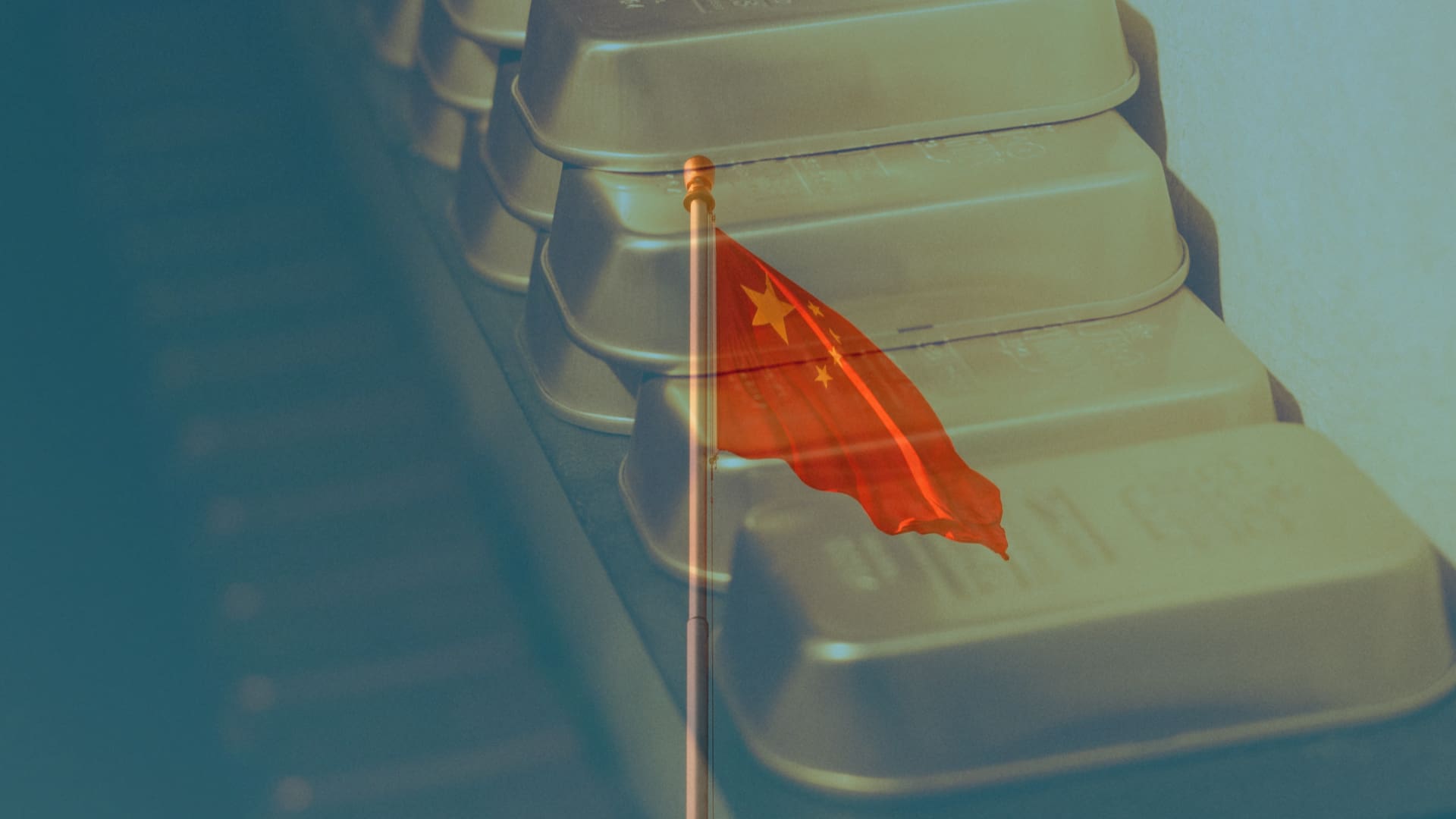
Since 2023, China has accelerated both its gold accumulation and the infrastructure to support a non-dollar-based trade network. This isn’t simply a headline or short-term strategy. It may signal the return of gold as a foundational asset in a changing global system.
Whether you collect to preserve legacy or explore history, understanding this shift can add a new layer of significance to your collection.
China’s Gold Strategy: Accumulation and Infrastructure
The Numbers Behind the Move
China’s central bank has emerged as the largest net buyer of gold since 2023. As of Q2 2025, official holdings exceed 2,298.5 tonnes. However, analysts from Bloomberg and the World Gold Council estimate the real figure may be closer to 4,000 tonnes, factoring in undeclared reserves held by sovereign entities and state-owned banks.
Source: Trading Economics – China Gold Reserves

Infrastructure Expansion: Beyond Stockpiling
China’s gold strategy extends far beyond accumulation. Through the Shanghai Gold Exchange and its expanded vault network including a new Hong Kong hub, China is creating what’s referred to as a Gold Corridor.
This corridor connects BRICS countries and allows for yuan-to-gold settlement. The result? A parallel settlement network with physical access points across Asia, Africa, and Latin America, challenging the traditional dollar-based custody model.
Basel III and the Reclassification of Gold
As of July 2025, a regulatory milestone was reached: in many jurisdictions, gold is now classified as a Tier 1 asset under Basel III.
This reclassification means physical gold can now be counted at 100 percent of its value on a bank’s balance sheet. Prior to this, gold was considered Tier 3, meaning only half its value could be recognized. It’s a subtle but significant change — positioning gold as a core asset, not a fringe holding.
Gold is not yet universally considered a High-Quality Liquid Asset (HQLA), but momentum is building. If that changes, gold could gain broader access to lending, collateral, and repo markets.
Source: World Gold Council – Does Gold Qualify as an HQLA
Reserve Diversification and the Rise of Non-Dollar Trade
In 2022, when Russian USD reserves were frozen, it sparked a shift in perception: Are reserves still sovereign if they can be blocked?
This question has since echoed through emerging economies. Many have responded by reducing exposure to US Treasuries and increasing gold holdings. China’s role in this trend is especially prominent.
Through its expanding vault infrastructure and yuan-settled gold contracts, China is enabling a parallel reserve system — one based on gold and local currencies rather than the US dollar.
Source: South China Morning Post – China Extends Gold Buying Streak
What This Means for Collectors
This shift isn’t speculative. It’s structural.
Gold is being redefined not just as a hedge against inflation, but as a monetary asset with growing centrality in global finance. If sovereign accumulation continues and gold becomes HQLA-compliant, demand may rise and with a finite supply, that changes the landscape for serious collectors.
Some analysts suggest that even a 10% global shift in central bank reserves from fiat to gold could mean $2 trillion in additional demand.
For legacy-minded collectors, the message is clear: this isn’t about hype. It’s about understanding gold’s evolving role and how that deepens its historical and symbolic importance in any thoughtful collection.
What to Watch Next
- Will gold gain official High-Quality Liquid Asset status globally?
- How many more physical vaults will join China’s Gold Corridor?
- Will other central banks mirror China’s accumulation model?
- How will US and EU financial policy adapt to this trend?
Conclusion
China’s coordinated effort from strategic accumulation to regulatory alignment and settlement innovation — signals more than economic intent. It’s about trust, control, and rewriting the rules of global finance.
For collectors, the takeaway is not urgency, but awareness. Gold is reemerging not just as a protective asset, but as a defining one. And that shift, subtle as it may seem now, may shape the way we view money for decades to come.
Featured Products for Serious Collectors
- Gold Panda Coins – Explore the Series
- Gold Bars – Shop All Weights and Mints
- Gold Coins – Trusted Classics and Modern Issues
Resources
- Why Central Banks Are Buying Gold in 2025
- Understanding Basel III and Gold
- Gold Coins vs. Gold Bars: What’s Better for Beginners
- Beginner’s Guide to Precious Metals – Free Download
It’s a regional infrastructure network connecting BRICS countries through vaults and trade hubs that allow for yuan-to-gold settlement, bypassing the US dollar.
Yes, in many jurisdictions. Basel III changes allow physical gold to be counted at 100 percent of its value on bank balance sheets, up from 50 percent under previous rules.
Many see gold as a sovereign alternative to foreign-held fiat reserves, especially after the freezing of Russian assets in 2022.
It would allow banks to use gold in repo, lending, and collateral markets. This would increase demand and integration of gold in mainstream finance.
Not immediately, but it does enhance the significance of gold as a core holding. Understanding its monetary role can deepen your appreciation as a collector.
Leave a Reply