

Estimated reading time: 5 minutes
Key Takeaways
- Refining precious metals removes impurities to achieve specific purity levels, using methods like Miller, Wohlwill, and electrolytic refining.
- Assaying confirms the purity and composition of metals, ensuring they match their claimed fineness during evaluation.
- Certification from sovereign mints, private refiners, and third-party services verifies the quality and authenticity of the metals for collectors.
- Understanding the refining, assaying, and certification processes empowers collectors to evaluate authenticity and purity with confidence.
Every piece of gold, silver, platinum, or palladium you encounter—whether a bar, coin, or round—begins long before minting. Understanding how precious metals are refined, assayed, and certified gives collectors clarity and confidence when evaluating authenticity and purity.
If you’re new to precious metals, you may find Metals, Fineness & Purity Explained for Collectors a useful foundation before exploring the refining process.
What Refining Means in Precious Metals
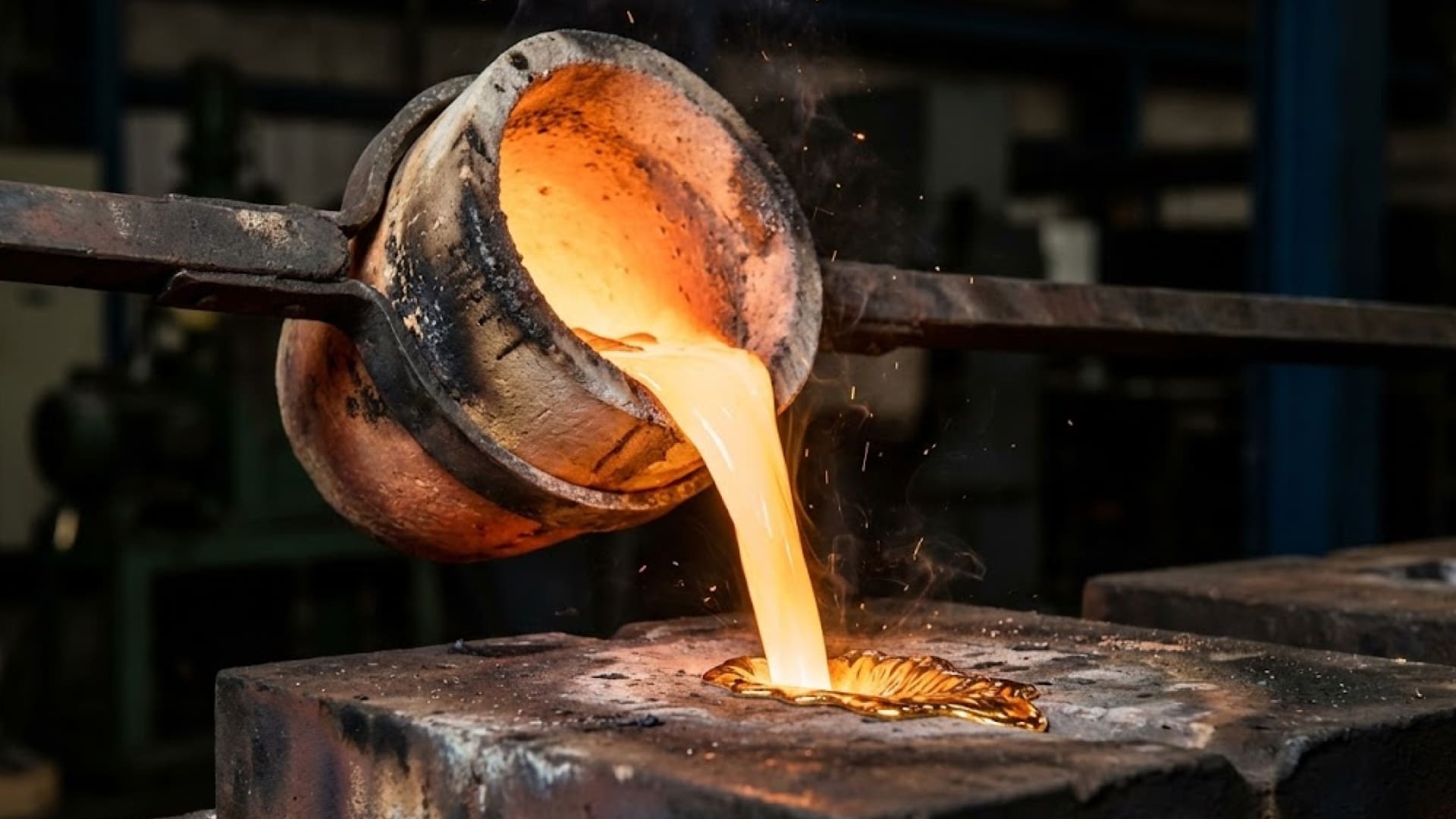
Refining is the process of removing impurities from raw metal to achieve a precise level of purity. Each metal—gold, silver, platinum, and palladium—uses different refining methods based on its hardness, melting point, and natural composition.
Refining purity plays a central role in marking standards like “.999 fine” or “.9999 fine,” which you may remember from Gold & Bullion 101: Start Your Journey in Precious Metals.
The Main Refining Methods Collectors Should Know
Three primary refining techniques are used worldwide. All produce bullion-quality metals, but each method fits specific metals and purity goals.
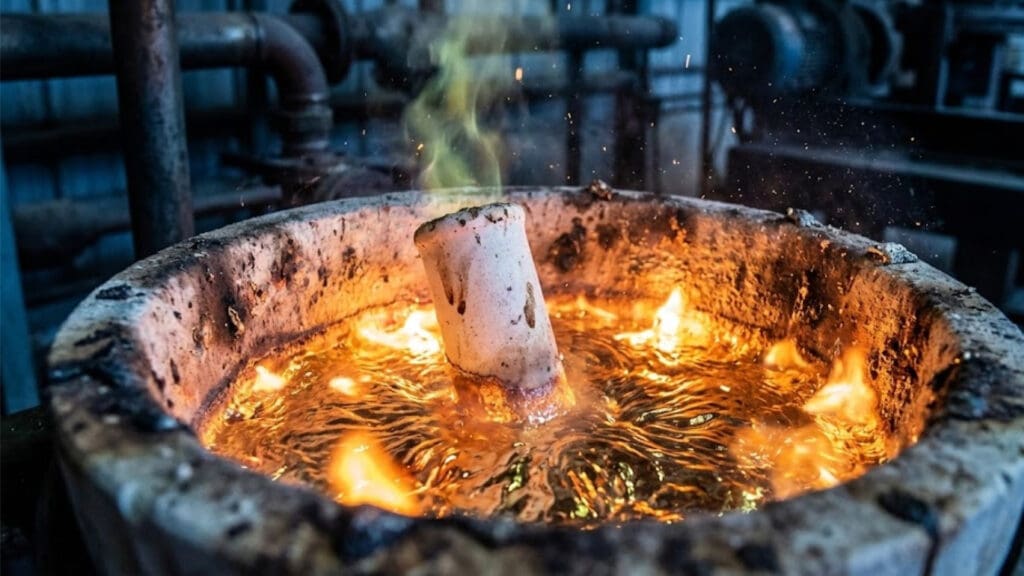
1. Miller Process (Gold)
The Miller process uses chlorine gas to separate gold from impurities. It produces roughly 99.5% pure gold, which is often used as the first stage before higher refinement.
Collectors see Miller-refined gold in commercial bars before they undergo the next level of purification. For a deeper look at purity levels, see Metals, Fineness & Purity Explained for Collectors.
2. Wohlwill Process (Gold)
The Wohlwill process uses electrolysis to achieve 99.99%+ purity. This is the standard for most premium gold bars and bullion coins from globally recognized mints.
Bars carrying purity marks such as “.9999” are often refined by this method. You’ll see this purity expressed clearly on mint packaging like the one described in What Is an Assay Certificate and Why It Matters.
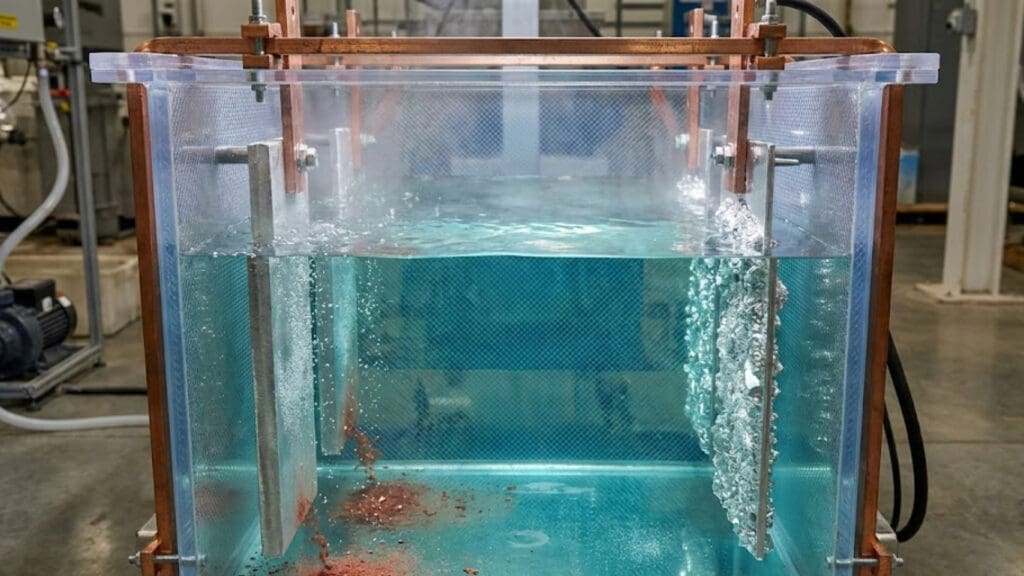
3. Electrolytic or Chemical Refining (Silver, Platinum & Palladium)
Silver is frequently refined electrolytically, while platinum-group metals often undergo multi-stage chemical treatment.
These metals require more complex refining because of their density and bonding characteristics.
For a collector-focused overview of platinum and palladium, review Platinum and Palladium Rising: Industrial or Collector Demand.
What Happens After Refining: The Assay Stage
An assay is a professional test confirming purity and composition. Assays ensure that the metal matches the fineness marked on the final bar, coin, or round.
Collectors rely on this step to evaluate authenticity especially when verifying items purchased on the secondary market. A full breakdown of assay verification appears in What Is an Assay Certificate and Why It Matters.
Common Assay Methods Collectors Should Know
Understanding assay methods helps collectors evaluate whether a product’s documentation aligns with industry standards.
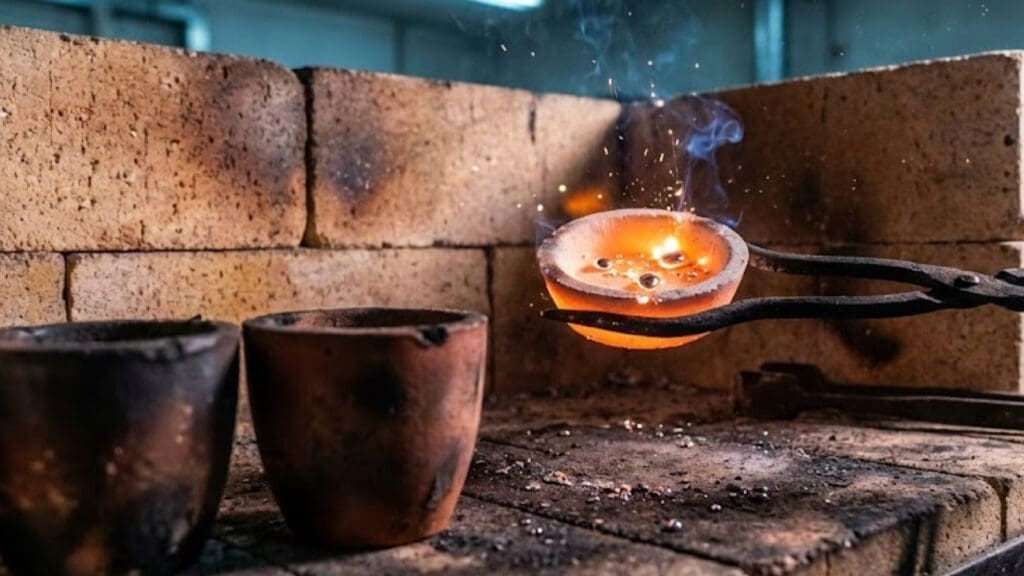
Fire Assay (Gold & Silver)
A centuries-old method considered the global standard for accuracy.
It melts the sample with fluxes to separate precious metal content.
Because fire assay is destructive, it is used for testing samples not finished bullion.
XRF Testing (All Metals)
X-ray fluorescence offers a non-destructive way to verify surface purity.
Collectors often see XRF used by dealers to authenticate pieces during trade-ins or evaluations.
This method pairs well with the practical detection steps outlined in Learn Spot Fake Gold.
Spectrometry & ICP Testing (Platinum & Palladium)
These high-precision laboratory methods measure trace elements and purity levels with exceptional accuracy.
They are often used for platinum-group metals, which have complex chemical behaviors.
Certification: The Final Step Before a Metal Reaches Collectors
Certification is what bridges the gap between refining and the final product a collector holds and verifies that the bar or coin:
- Meets purity standards
- Follows weight and dimension specifications
- Has passed required assays
- Is packaged with matching documentation
One key form of certification collectors rely on is the assay card, which may include serial numbers, purity levels, and mint branding. For a practical example, refer to Gold Scam Prevention and Metals Security for real-world protection tips.
Where Certification Comes From
Sovereign Mints
Government mints issue coins with guaranteed purity, weight, and design details.
Private Refineries
LBMA-recognized refiners issue assay-certified bars that meet strict standards.
Third-Party Grading Services
Organizations like NGC provide slabbed certification for numismatic coins.
https://www.ngccoin.com
Why This Process Matters for Collectors
Understanding refining, assaying, and certification gives collectors stronger evaluation skills. It helps identify trustworthy mints, makes authentication easier, and provides clarity when examining purity markings, serial numbers, or assay documentation.
To strengthen these skills further, explore How to Buy Physical Gold: A Complete Beginner’s Guide.
Conclusion
Knowing how metals are refined, assayed, and certified empowers collectors to evaluate authenticity, craftsmanship, and purity with greater clarity. Whether you collect coins, bars, or rounds, understanding this process forms the foundation of informed collecting.
Refining removes impurities so finished coins and bars meet exact purity standards required by mints and refineries.
Yes. It remains the most accurate method for gold and silver, used primarily for sample testing.
Assay cards provide documented verification of purity and weight and serve as an important authentication tool.
Yes. Sovereign mints, private refineries, and third-party graders each issue certification differently.
Leave a Reply