

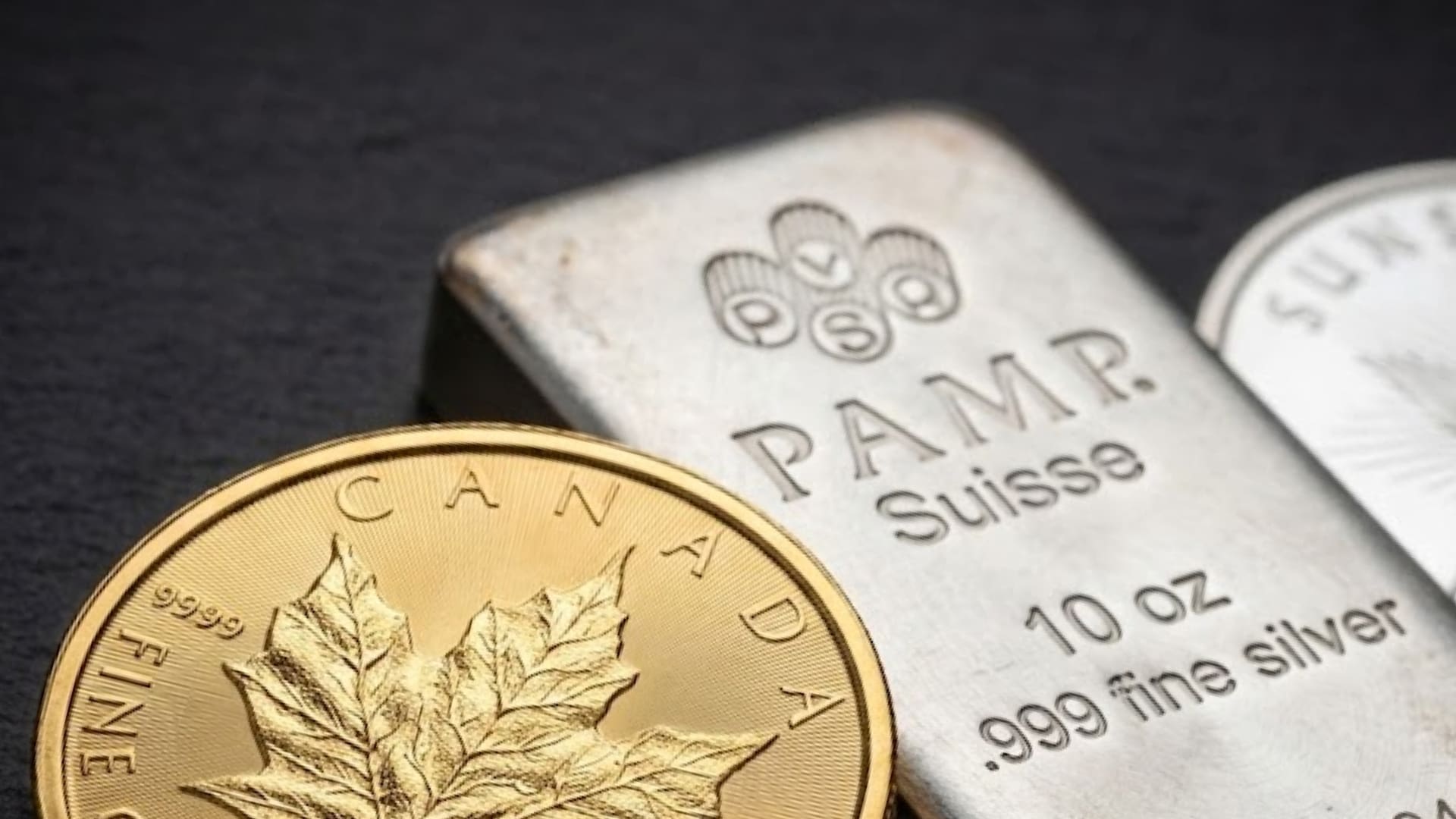
Many new collectors ask the same question: What is the real difference between coins, bars, and rounds? This coin vs bar vs round collector guide explains these formats clearly so you can evaluate purity, craftsmanship, authentication, and long-term collecting purpose with confidence.
If you’re new to precious metals, consider starting with Gold & Bullion 101: Start Your Journey in Precious Metals for a foundation in purity and weight standards.
What Defines a Coin?
Coins are legal-tender pieces struck by government mints. They follow strict standards for purity, weight, and design, making them highly recognizable and widely collected.
To better understand how purity and authentication work for coins, review How to Buy Physical Gold: A Complete Beginner’s Guide. Coins also express national history and symbolism. For deeper context, see A Collector’s Guide to America’s Iconic Gold Coins.
What Defines a Bar?
Bars are rectangular refined pieces produced by sovereign mints or private refiners. They offer clear purity markings, a wide range of sizes, and strong authentication features like assay cards and serial numbers.
To understand assay documentation, review What Is an Assay Certificate and Why It Matters. For practical authentication tips, revisit Learn Spot Fake Gold.
What Defines a Round?
Rounds resemble coins in shape but are not legal tender. Private mints produce them with a wide range of themes—historic, artistic, symbolic, or commemorative.
Collectors who build curated or themed sets often use rounds as part of their strategy. Learn more in How to Collect Wealth with Gold and Silver.
Coins vs. Bars vs. Rounds: What Collectors Should Know
Purity and fineness differ slightly across formats. Coins follow sovereign standards, bars display purity directly on their surface and assay card, and rounds generally mirror bullion purity depending on the mint.
Authentication confidence also varies: coins carry government authority, bars include serial verification, and rounds rely on refiner marks. For additional guidance, review Gold Scam Prevention and Metals Security.
Design and craftsmanship also differ. Coins feature national symbolism, bars offer minimal refined aesthetics, and rounds highlight creative themes. To see how design influences desirability, explore Rare Collectible Coins.
Which Format Should Collectors Choose?
There is no universal “best” format only the best fit for your collecting goals.
- Choose coins if you value cultural significance and series continuity.
- Choose bars if you want clear purity markings and size variety.
- Choose rounds if you appreciate artistic themes and private-mint creativity.
How to Evaluate Items Before Adding Them to a Collection
Collectors typically confirm fineness, weight, dimensions, design clarity, mint reputation, and packaging condition. For verification support, third-party services like NGC remain industry standards.
https://www.ngccoin.com
Conclusion
Coins, bars, and rounds each bring unique strengths to a collection. By understanding their differences, collectors can build a thoughtful, intentional collection rooted in craftsmanship, authenticity, and long-term enjoyment.
Yes. Rounds from reputable private mints are bullion-grade even though they carry no legal tender value.
Coins and serialized bars typically offer the clearest authentication markers.
Most modern bullion maintains .999 or higher purity; rounds vary by mint but often match these standards.
Not necessarily limited bars and premium rounds also appeal strongly to specialized collectors.
Leave a Reply