

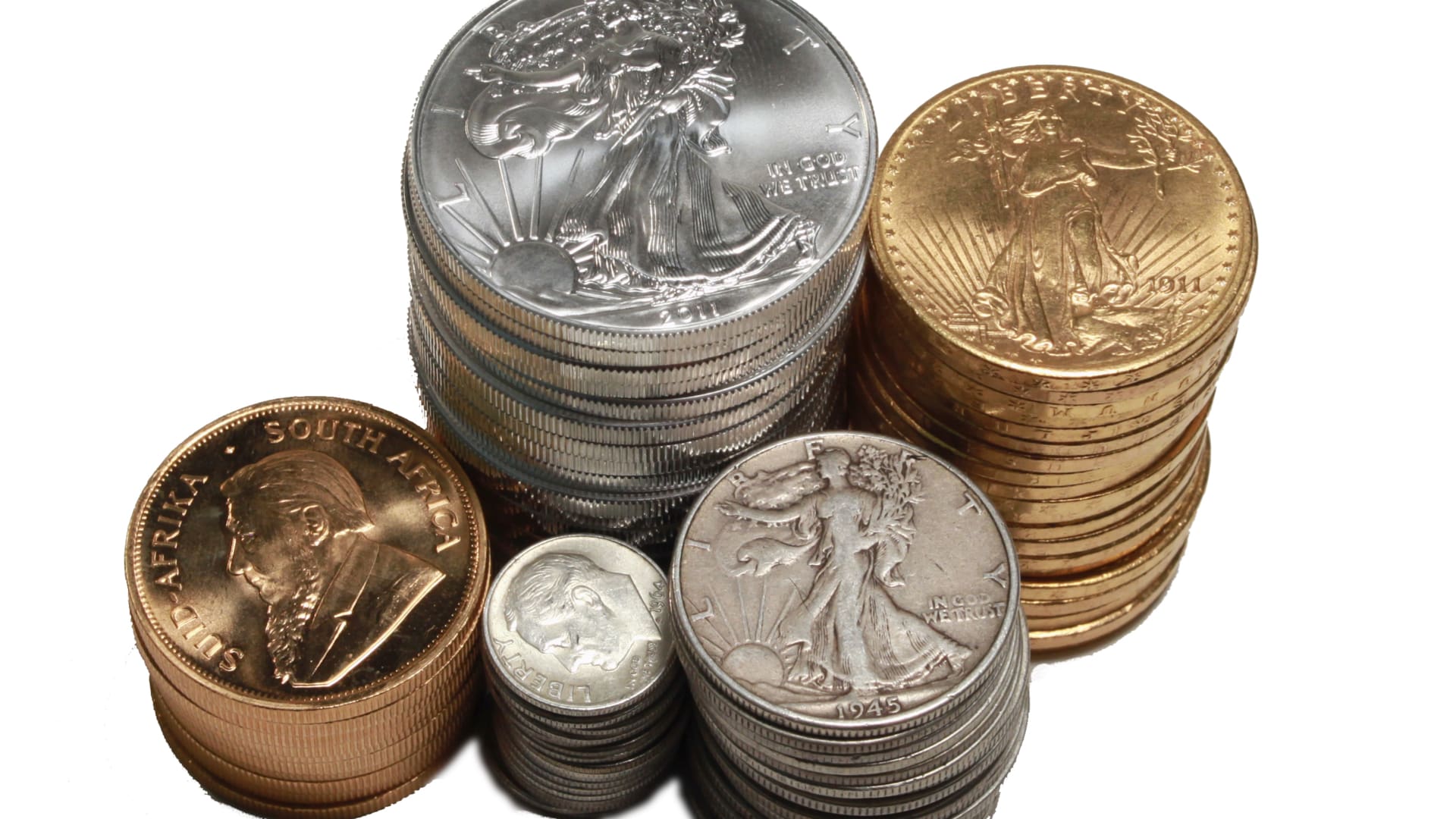
A coin’s luster is the first thing your eyes notice even before design or detail. Luster gives the coin its presence. It reveals how the metal moved during striking. It shows how the surface has been treated or handled. Collectors rely on luster to understand quality at a glance. It is one of the purest signals of craftsmanship in modern minting.
If you want to understand what happens before luster forms, read How Mints Strike Coins From Blank to Finished Bullion for background on how metal flows during a strike.
What Luster Actually Is
Luster comes from the way light moves across microscopic lines on the coin’s surface. These tiny lines form when metal spreads into the design during striking. The metal moves outward in smooth waves. The lines create a rolling glow as you tilt the coin. That movement is the signature of fresh, original surfaces.
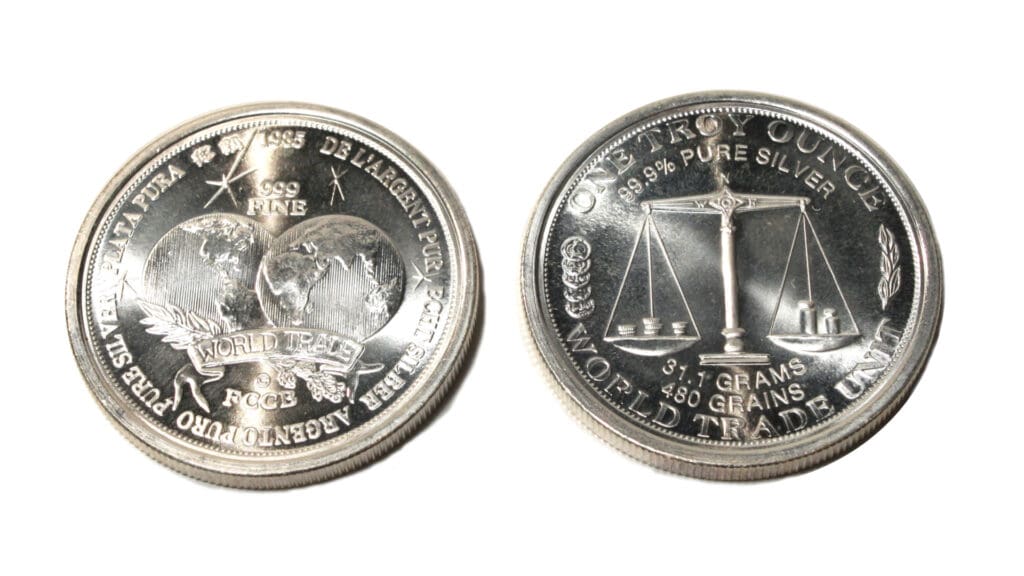
Proof coins show a different type of luster. Their mirrored fields reflect like glass while the raised elements glow with frosted texture. Brilliant Uncirculated coins show a steady, satin light. Burnished coins present a soft matte sheen. Each finish produces a different form of luster but all rely on the same idea. Light reveals the story written into the surface.
To compare finishes in real examples, look at the Platinum Philharmonic, known for its consistent satin field that displays a clean controlled luster.
Why Luster Matters to Collectors
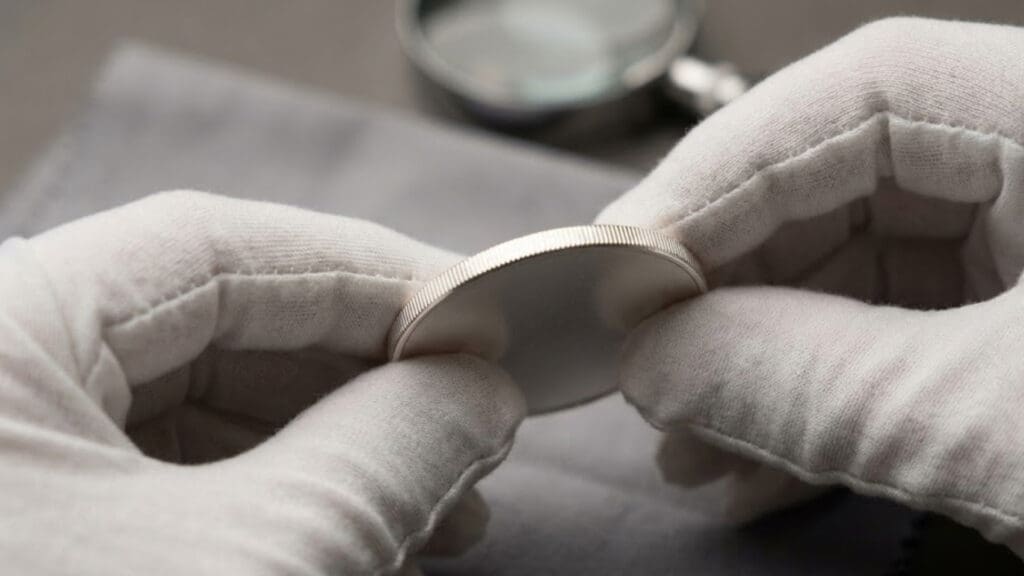
Collectors study luster the same way a jeweler studies a gemstone. They look for movement, they look for originality. A coin with strong natural luster feels energetic. The surfaces glow without looking polished or artificial. A coin with dull or flat luster tells a different story. It may reveal handling, it may show friction. It may show environmental wear.
Luster also highlights design elements. The rays behind Liberty. The wings of the eagle. The mirrored fields of a proof coin. The shine gives depth and clarity to the artwork. Without luster a coin feels sleepy. With it the coin looks alive.
To see this in action, examine a 2025 American Gold Eagle. Its satin to semi reflective fields create a bold natural glow.
https://www.coinsonline.com/shop/american-gold-eagle-1-oz-2024-bullion-coin/
How Collectors Evaluate Luster
Collectors tilt the coin under a single light source. They look for a flowing band of light that moves smoothly across the surface. This is called the cartwheel effect. The movement should feel natural. It should travel evenly. Strong luster moves in one clean motion from rim to rim.
If the light breaks, if the glow stops, if the surface looks flat in certain areas. The coin may show friction or light circulation. Sometimes the surface has been wiped which breaks the natural movement. Skilled collectors see these clues quickly.
Proof coins require a different approach. The fields reflect like a pool of water. The frosted elements glow softly. The contrast should be crisp. The surfaces should look untouched by anything except the strike itself.
If you want help identifying surface issues, the Coin Grading and Authentication Guide explains what graders look for in luster and texture.
What Damages Luster
Luster is fragile. It can disappear with one careless movement. Gloves protect it. Fingers dull it. Hard cloths leave lines. Airborne particles can slowly mute the shine over time.
Friction from light handling removes the top layer of texture. This disruption breaks the flow of light and changes the way luster moves. Heat, humidity, or poor storage can tone the surface which may affect luster as well.
To learn safe handling and storage, see How to Store Physical Gold Safely.
Conclusion
Luster reveals the true condition of a coin. It shows how the metal moved, exposes wear, highlights design, adds life to every surface. Once you learn how to read luster you see coins differently. You see the story of the strike, the quality of the finish and can see what makes the piece worth collecting.
Natural luster forms when metal flows outward during striking and leaves microscopic lines on the surface. These lines reflect and move light in a distinct wave. When the lighting is right, these lines produce the rolling cartwheel effect that lets collectors spot originality immediately. Because luster only appears on untouched surfaces, it becomes one of the most reliable indicators of a coin’s condition.
The cartwheel effect shows that light is moving smoothly across original, unaltered flow lines. If the light breaks, stalls, or disappears on part of the surface, it usually indicates friction or handling. Collectors rely on this movement because it helps confirm quality without magnification. Strong cartwheel motion often signals a well-preserved strike with minimal surface disturbance.
Proof coins use a mirrored-frosted contrast that behaves differently under light. Their fields reflect like glass, while the raised elements glow softly with a frosted finish. Mint-state coins, by contrast, show radial flow lines that produce satin or semi-reflective luster. Both finishes express luster, but they do so through different surface textures created during striking and preparation.
Luster fades when the microscopic surface lines are disturbed. Finger contact, wiping, abrasive cloths, repeated handling, or even mild friction inside a holder can break the natural texture. Over time, humidity or improper storage may also dull the glow. Once original luster is interrupted, it cannot be restored, which is why collectors treat coin surfaces carefully.
A wiped or lightly cleaned coin often shows breaks in the cartwheel effect. Instead of one smooth band of light moving across the surface, the glow becomes uneven or stops abruptly. Cleaning can leave directional lines that differ from the coin’s natural radial pattern. Collectors look for these interruptions because they reveal surface alteration even when the coin looks bright.
Yes. Many coins develop color while still retaining full luster beneath the toning layer. When tilted under light, toned coins can show the same flowing movement as bright mint-state pieces. The key is whether the underlying microscopic lines remain intact. Some of the most desirable coins in numismatics combine rich toning with strong cartwheel luster.
Collectors get the clearest view of luster using a single, steady light source placed slightly above the coin. LED lamps with neutral color temperatures work well because they highlight surface movement without creating glare. Rotating the coin slowly under this light allows the cartwheel effect to appear naturally. Multiple light sources can flatten the appearance and make luster harder to read.
Leave a Reply